There are evenings when the idea of homemade bread feels like a distant, flour-dusted dream reserved for a Sunday afternoon with nothing else to do. But the craving for a warm, crusty slice to drag through soup or slather with butter doesn’t wait for a convenient time. This is where my life-saving Quick 20-Minute Homemade Bread recipe comes in. It’s the answer to that weeknight prayer for something wholesome and comforting without the hours of work. This isn’t just about speed; it’s about the soul-lifting magic of pulling a golden, fragrant loaf from your own oven, even when you thought you were out of time and energy. It’s a game-changer, turning an ordinary meal into something special.
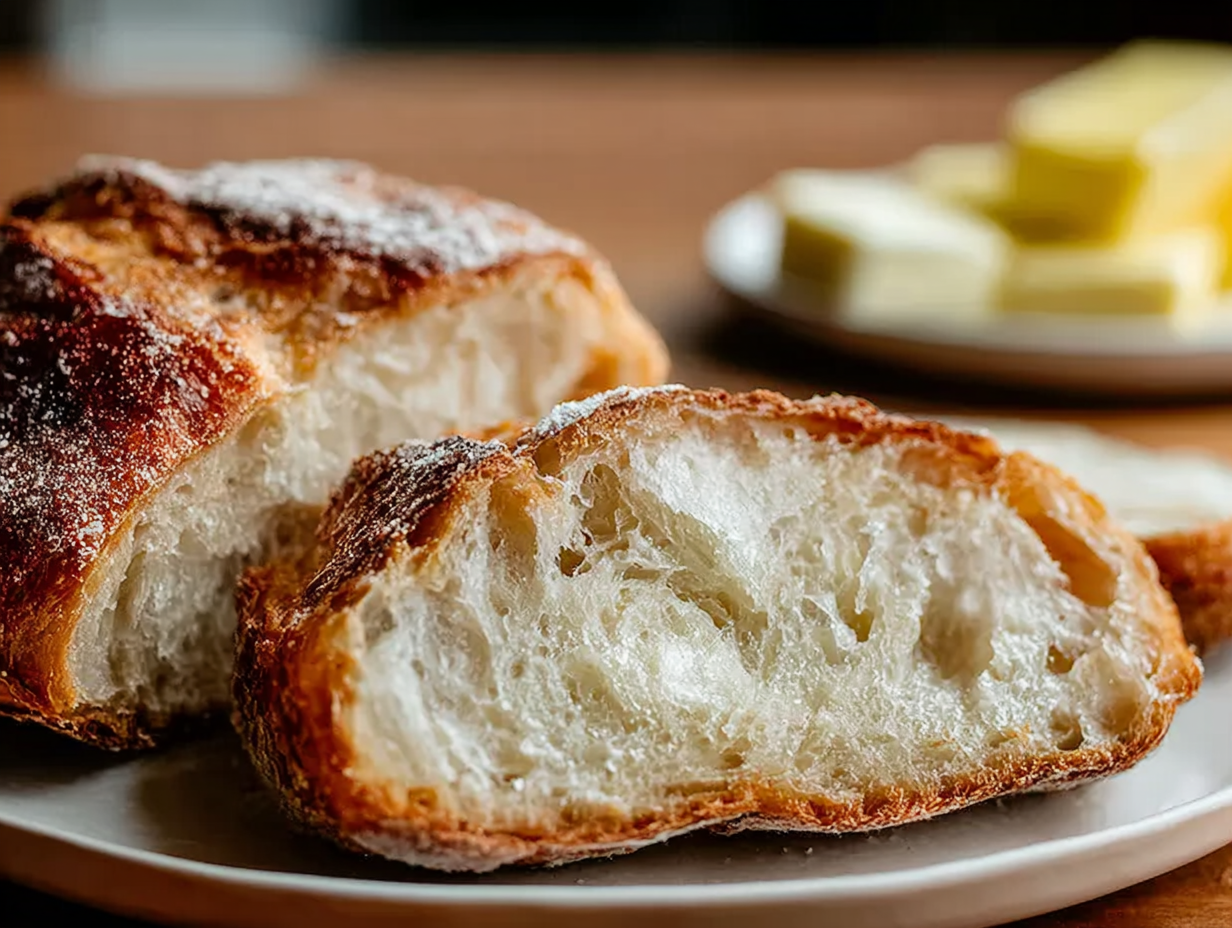
Forget everything you think you know about bread-making. This is one of those easy bread recipes no rise time required, meaning you can mix, shape, and bake in less time than it takes to watch an episode of your favorite show. I developed this recipe out of pure necessity, needing a reliable quick easy loaf bread that didn’t involve a stand mixer or complicated kneading techniques. The result is a surprisingly soft, fluffy bread with a delicate crust that’s perfect for any meal. It’s a fantastic starting point if you’re new to baking or just need a dependable recipe in your back pocket. This is truly one of the most simple and quick and easy bread recipes you will ever find, delivering that incredible fresh-from-the-oven taste on demand.
Ingredients for Your Quick Homemade Bread
One of the best parts of this recipe is its simplicity. You don’t need any fancy ingredients, just a few pantry staples that you likely already have on hand. This is a classic plain flour bread recipe designed for maximum flavor with minimum fuss. Each component plays a crucial role: the yeast provides the lift, the sugar feeds the yeast and adds a touch of sweetness, the salt enhances the flavor, and the warm water creates the perfect environment for the yeast to activate. The olive oil or butter adds richness and helps create a soft, tender crumb. There’s a beautiful simplicity to seeing these basic ingredients transform into a warm, delicious loaf of bread in just a few minutes. It’s a reminder that sometimes the most satisfying things in life are also the most straightforward.
- All-Purpose Flour: 2 cups. No need for special bread flour here; standard all-purpose gives a wonderfully soft texture.
- Sugar: 1 tablespoon. Just a little to help activate the yeast and add a subtle sweetness.
- Instant Yeast: 1 tablespoon. Make sure it’s instant (or rapid-rise) yeast for this quick recipe.
- Salt: 1 teaspoon. Fine sea salt is great, but regular table salt works perfectly too.
- Warm Water: ¾ cup, around 110°F or 43°C. It should feel like a warm bath—not too hot, not too cold.
- Olive Oil or Melted Butter: 2 tablespoons, plus a little extra for brushing on top.
Step-by-Step Instructions
The magic of this quick rise yeast bread recipe is in the method. We’re skipping the long kneading and rising times and getting straight to the good part. The key is the instant yeast and the warm water, which work together to create a fast but effective lift. As you stir the dough, you’ll notice it comes together into a soft, slightly shaggy ball. Don’t worry if it looks a little rustic—that’s part of its charm! This process is so forgiving and straightforward, making it one of the best quick and easy bread recipes for beginners or anyone short on time. Just follow these simple steps, and you’ll have quick fresh bread on your table before you know it. The aroma that fills your kitchen as it bakes is worth the minimal effort alone.
- Activate the Yeast: In a medium-sized mixing bowl, combine the warm water, sugar, and instant yeast. Give it a gentle stir and let it sit for about 5 minutes. You’re looking for a foamy, bubbly layer to form on the surface. This is how you know your yeast is alive and ready to go. If it doesn’t foam, your yeast may be old or the water might have been too hot or cold.
- Mix the Dough: Add the all-purpose flour, salt, and olive oil (or melted butter) to the bowl with the yeast mixture. Use a spatula or wooden spoon to stir everything together until a soft, slightly sticky dough forms. Don’t overmix; just stir until there are no dry patches of flour left.
- Shape the Loaf: Scrape the dough out onto a lightly floured surface. Gently bring it together with your hands to form a rustic, round, or slightly oblong loaf. It doesn’t have to be perfect. Place the shaped dough onto a baking sheet lined with parchment paper.
- A Quick Rest: Let the dough rest on the baking sheet for 5 minutes. This gives the gluten a moment to relax and the yeast a head start. While it rests, preheat your oven to 400°F (200°C).
- Bake to Golden Perfection: Just before baking, gently brush the top of the loaf with a little extra olive oil or melted butter. This will give it a beautiful golden-brown color and a soft crust. Bake for 15 minutes, or until the top is golden and the loaf sounds hollow when you tap the bottom.
- Cool and Serve: Let the bread cool on the baking sheet for a few minutes before transferring it to a wire rack. It’s best to let it cool for at least 10 minutes before slicing, as this allows the internal structure to set. Then, slice it up and enjoy it warm!
Tips & Tricks for the Best 20-Minute Bread
Even with a recipe this simple, a few little tips can make a big difference. Think of this as advice from my kitchen to yours, learned through making this bread more times than I can count. The goal is to ensure your loaf comes out perfectly soft, golden, and delicious every single time. One of the most common issues people face with yeast breads is temperature. The warm water is non-negotiable; it has to be just right to wake up the yeast without harming it. Another thing to remember is that this is a rustic loaf. Don’t strive for the perfectly smooth, machine-kneaded look. The slightly shaggy, imperfect texture is what makes this quick easy loaf bread so charming and homemade. It’s a simple recipe, but these small details elevate it from good to absolutely irresistible, making it one of the most reliable quick dinner breads you can have in your repertoire.
Mastering the Basics
- Check Your Yeast: Always make sure your yeast is fresh. If the yeast and water mixture doesn’t get foamy after 5 minutes, it’s best to start over with new yeast.
- Don’t Overmix: Stir the dough just until it comes together. Overmixing can develop the gluten too much, making the bread tough instead of soft and fluffy.
- Hot Oven is Key: Ensure your oven is fully preheated to 400°F (200°C). The initial blast of high heat helps the bread rise quickly and develop a good crust.
- Customize the Crust: For a softer crust, brush with melted butter. For a slightly crisper, more savory crust, use olive oil. You can even sprinkle a little coarse sea salt on top before baking.
Why is my dough so sticky?
This dough is meant to be soft and slightly tacky, which is what keeps the final bread moist and fluffy. However, if it feels unmanageably wet, it could be due to humidity or slight variations in flour measurement. Simply add a little more flour, one tablespoon at a time, until the dough is soft but no longer sticking to your fingers in large clumps. Be careful not to add too much, as that can result in a dense loaf.
Substitutions and Variations
While this small bread recipe is fantastic as is, it’s also a wonderful canvas for your own creativity. Don’t be afraid to experiment with different flavors and ingredients to make it your own. These quick dinner breads are incredibly versatile. You can easily transform this simple loaf into something more savory or herby with just a few additions. Think about what you’re serving it with. A rosemary-infused loaf is perfect for dipping in soup, while a cheesy version is incredible on its own or alongside a salad. Using an easy bread recipe with bread flour is also an option; it will give you a slightly chewier texture, but all-purpose flour consistently yields a softer, fluffier result which I prefer for this quick version. The key is to have fun and see what delicious combinations you can come up with.
- Herb Bread: Add 1 tablespoon of chopped fresh herbs (like rosemary or thyme) or 1 teaspoon of dried herbs to the dry ingredients.
- Cheesy Bread: Mix in ½ cup of shredded sharp cheddar or Parmesan cheese with the flour for a savory, cheesy twist.
- Garlic Bread Loaf: Add 1 teaspoon of garlic powder to the dry ingredients and brush the top with melted butter mixed with a minced garlic clove before baking.
- Sweet Variation: For a slightly sweeter bread perfect for breakfast, increase the sugar to 2 tablespoons and add a ½ teaspoon of cinnamon.
- Flour Swaps: You can substitute up to ½ cup of the all-purpose flour with whole wheat flour for a nuttier flavor and denser texture, though the bread may not rise quite as high.
Frequently Asked Questions
Can I use active dry yeast instead of instant yeast?
You can, but it will change the timing. Active dry yeast needs a bit more time to activate fully. If using active dry yeast, let it sit in the warm water and sugar for a full 10 minutes until it’s very foamy. You may also need to let the shaped loaf rest for 10-15 minutes before baking instead of just 5. This recipe is optimized for instant yeast to keep it a true 20-minute bread.
Why didn’t my bread rise much?
There are a few common culprits. First, your yeast might be old or inactive (the foaming step is a crucial test for this). Second, your water could have been too hot, which kills the yeast. Lastly, this is a quick rise yeast bread recipe, so don’t expect a dramatic rise like a traditional loaf. It gets most of its lift in the oven. As long as it’s not completely flat, you’re on the right track!
How should I store this quick homemade bread?
This bread is best enjoyed the day it’s made, preferably warm from the oven! If you have leftovers, store them in a paper bag or a bread box at room temperature for up to 2 days. Storing it in plastic can make the crust soft and damp. You can also freeze the loaf by wrapping it tightly in plastic wrap and then foil for up to a month.
Conclusion
There is something profoundly satisfying about making your own bread, and this Quick 20-Minute Homemade Bread recipe puts that feeling within reach on any day of the week. It proves that you don’t need hours of free time or special equipment to enjoy the simple, incredible pleasure of quick fresh bread. This recipe isn’t just about food; it’s about creating a moment of warmth and comfort in a busy day. It’s about the look on your family’s faces when you bring a steaming loaf to the dinner table. So please, give this a try. I promise you’ll be amazed at how easy and delicious it is. It’s more than just a recipe; it’s a little bit of kitchen magic.
Quick 20-Minute Homemade Bread
Ingredients
Equipment
Method
- Activate the Yeast: In a medium-sized mixing bowl, combine the warm water, sugar, and instant yeast. Give it a gentle stir and let it sit for about 5 minutes. You’re looking for a foamy, bubbly layer to form on the surface. This is how you know your yeast is alive and ready to go. If it doesn’t foam, your yeast may be old or the water might have been too hot or cold.
- Mix the Dough: Add the all-purpose flour, salt, and olive oil (or melted butter) to the bowl with the yeast mixture. Use a spatula or wooden spoon to stir everything together until a soft, slightly sticky dough forms. Don’t overmix; just stir until there are no dry patches of flour left.
- Shape the Loaf: Scrape the dough out onto a lightly floured surface. Gently bring it together with your hands to form a rustic, round, or slightly oblong loaf. It doesn’t have to be perfect. Place the shaped dough onto a baking sheet lined with parchment paper.
- A Quick Rest: Let the dough rest on the baking sheet for 5 minutes. This gives the gluten a moment to relax and the yeast a head start. While it rests, preheat your oven to 400°F (200°C).
- Bake to Golden Perfection: Just before baking, gently brush the top of the loaf with a little extra olive oil or melted butter. This will give it a beautiful golden-brown color and a soft crust. Bake for 15 minutes, or until the top is golden and the loaf sounds hollow when you tap the bottom.
- Cool and Serve: Let the bread cool on the baking sheet for a few minutes before transferring it to a wire rack. It’s best to let it cool for at least 10 minutes before slicing, as this allows the internal structure to set. Then, slice it up and enjoy it warm!