I used to think oatmeal was, well, a little boring. It was my go-to healthy breakfast, but it always felt more like fuel than a treat. That all changed the day I discovered the secret to what I now call custard oatmeal. By simply whisking in an egg at the end of the cooking process, my standard bowl of oats transformed into something magical. The texture became unbelievably silky, the flavor richer, and the whole experience felt more like a luxurious dessert than a quick morning meal. It’s the kind of breakfast that makes you want to slow down and savor every spoonful.
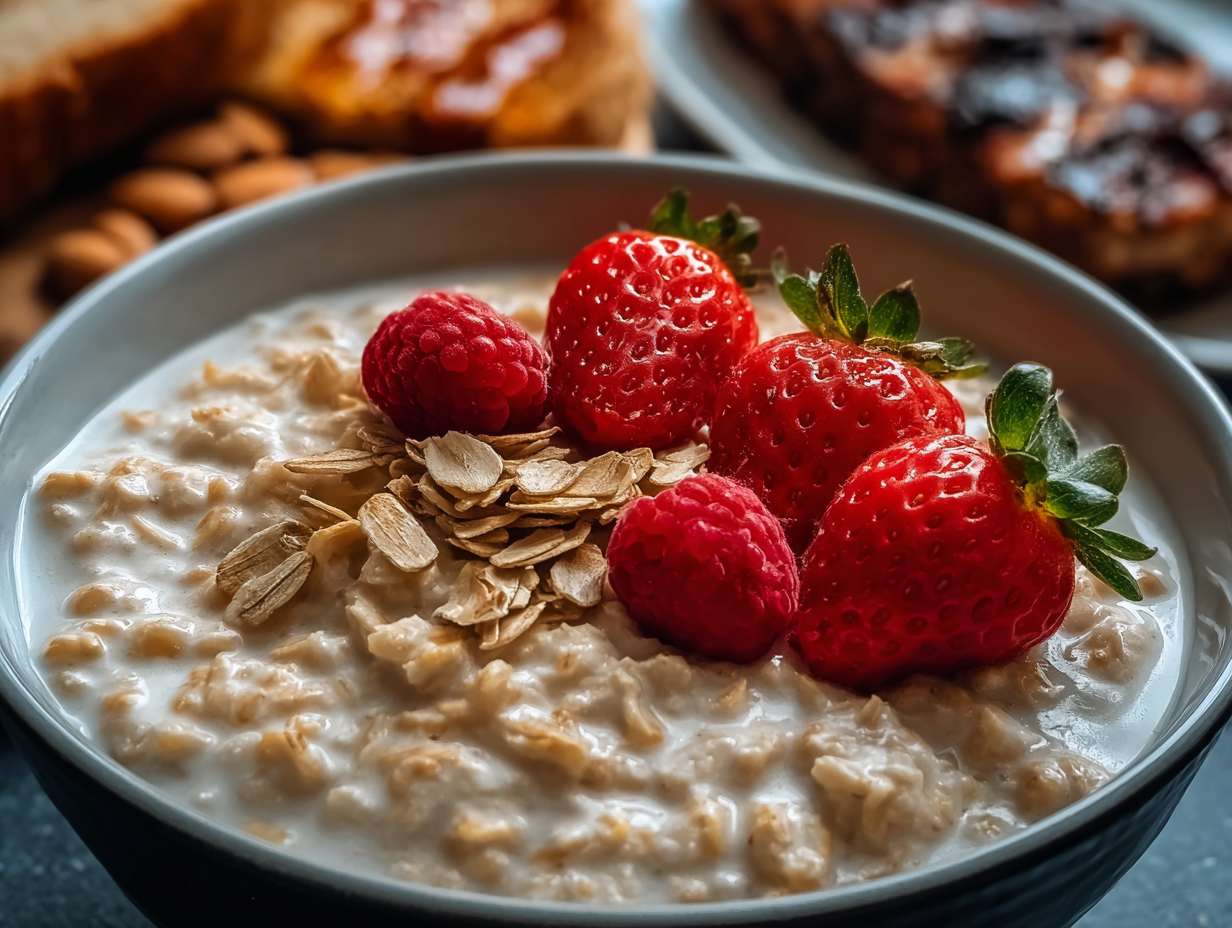
This creamy oatmeal recipe isn’t complicated—it requires just one extra ingredient and a couple of minutes of attention—but the payoff is huge. The egg enriches the oats, creating a smooth, thick consistency that’s completely different from regular porridge. It’s a true custard breakfast that feels both indulgent and nourishing, perfect for chilly mornings or when you just need a little extra comfort to start your day. Forget lumpy, watery oatmeal for good. Once you try this method, you’ll never look back. It’s a simple technique that elevates a humble pantry staple into a truly memorable dish.
Ingredients for Custard Oatmeal
One of the best things about this recipe is its simplicity. You likely have everything you need in your pantry and fridge right now. The magic comes from the combination of basic ingredients, so there’s no need for a special trip to the store. This list focuses on the core components for the perfect egg oatmeal, with optional toppings to let you customize your bowl.
- Rolled Oats: One cup of old-fashioned rolled oats is ideal. They provide the best texture—chewy yet soft—without turning to mush. Instant oats are too fine and won’t work well here.
- Milk: Two cups of any milk you prefer. Whole dairy milk will give you the richest result, but plant-based options like almond, oat, or soy milk work beautifully too.
- Sweetener: I use a quarter cup of regular sugar, but you can easily swap this for maple syrup, honey, or a sugar substitute. Adjust the amount to your personal taste.
- Egg: One large egg is the star ingredient that creates the custard texture. Make sure it’s fresh!
- Vanilla Extract: Half a teaspoon adds a wonderful warmth and aroma that complements the creamy flavor.
- Salt: Just a pinch of salt enhances all the other flavors and balances the sweetness. Don’t skip it!
- Optional Add-ins: A quarter teaspoon of ground cinnamon adds a lovely spice, and fresh fruit or nuts are perfect for topping.
How to Make Custard Oatmeal Step-by-Step
The process for making this rich oatmeal is straightforward, but the key to success lies in one crucial step: tempering the egg. This technique prevents the egg from scrambling when it hits the hot oats, ensuring a perfectly smooth and creamy finish. Don’t be intimidated; it’s easier than it sounds! Just follow these steps calmly, and you’ll be rewarded with the most incredible bowl of oatmeal you’ve ever had.
- Warm the Milk: In a medium saucepan, combine the milk and your sweetener of choice. Warm it over medium heat until it’s just beginning to simmer. You’ll see little bubbles forming around the edges.
- Cook the Oats: Stir in the rolled oats and reduce the heat slightly. Let them cook for about 5 to 7 minutes, stirring every so often to prevent sticking. The oats should be tender, and the mixture will start to thicken up nicely.
- Prepare the Egg: While the oats are cooking, grab a separate small bowl. Whisk the egg together with the vanilla extract and cinnamon (if you’re using it) until it’s pale and slightly frothy.
- Temper the Egg (The Important Part!): Once the oatmeal is cooked, take the saucepan off the heat. Very slowly, drizzle a small amount of the hot oatmeal (about a tablespoon or two) into your whisked egg, whisking constantly. This gently warms the egg without cooking it. This is the secret to a perfect custard oatmeal.
- Combine and Finish: Now, pour the tempered egg mixture back into the saucepan with the rest of the oats. Return the pan to low heat and stir continuously for another 1 to 2 minutes. You’ll feel it thicken into a beautiful, custard-like consistency.
- Serve and Enjoy: Remove the oatmeal from the heat and stir in the pinch of salt. Serve it warm in bowls, and add your favorite toppings like fresh berries, sliced bananas, or a sprinkle of toasted nuts.
Tips & Tricks for the Best Custard Oatmeal
Making this oatmeal is simple, but a few small details can make a big difference between good and great. Over the years, I’ve learned a few tricks to guarantee that perfect, silky texture every single time. The most common pitfall is accidentally scrambling the egg, which can ruin the whole dish. But with a little patience and the right technique, you can easily avoid this and achieve a flawless creamy oatmeal that will make your mornings so much better. Pay close attention to your heat management and the tempering process, as these are the two areas where things can go wrong.
To make the perfect custard oatmeal, the key is to temper the egg. This involves slowly whisking a small amount of the hot oatmeal into the beaten egg before adding it back to the pot. This gently raises the egg’s temperature, preventing it from scrambling and ensuring a silky, creamy texture. Keep the heat on low and stir constantly once the egg mixture is added back into the pot. This final, gentle cook is what thickens the oatmeal into a true custard.
Don’t Rush the Tempering Process
I can’t stress this enough: go slowly when you’re tempering the egg. If you pour the hot oatmeal in too quickly, the egg will cook instantly and you’ll end up with scrambled egg bits in your breakfast. The goal is to gradually raise the egg’s temperature. I like to use a ladle to add the hot liquid to the egg bowl, whisking the entire time with my other hand. It might feel a bit like patting your head and rubbing your stomach at first, but this coordination is what ensures a smooth result. Once you’ve added a few spoonfuls of the hot liquid and the egg mixture feels warm to the touch, you are safe to add it back to the pot.
Why is my oatmeal runny?
If your final egg oatmeal isn’t as thick as you’d like, there are a couple of possible reasons. First, you might not have cooked the oats long enough in the initial step. Rolled oats need a solid 5-7 minutes to absorb the liquid and release their starches, which is what creates that initial thickness. Second, after adding the tempered egg, you need to cook it for another minute or two. This final stage is when the egg itself helps to thicken the mixture into that signature custard consistency. If it’s still not thick enough, just let it cook on low for another minute, stirring gently. It will also continue to thicken as it cools slightly in the bowl.
Custard Oatmeal Substitutions & Variations
This recipe is a fantastic starting point, but it’s also incredibly versatile. You can easily adapt it to fit different dietary needs or simply to create new flavor combinations. Whether you’re dairy-free, looking for a different sweetener, or want to spice things up, there are plenty of ways to make this custard breakfast your own. Don’t be afraid to experiment with what you have on hand. The core technique of tempering the egg works well with a wide range of milks and flavors, so you can enjoy a rich, creamy bowl of oatmeal no matter your preferences.
Dietary Swaps
Making this recipe work for your dietary needs is simple. Here are a few common substitutions:
- For a Dairy-Free Version: Any plant-based milk works wonderfully. Oat milk will give you an extra creamy result that’s very similar to dairy, while almond milk provides a lighter, nutty flavor. Coconut milk (the kind in a carton, not a can) is also a delicious option.
- For a Gluten-Free Version: Oats are naturally gluten-free, but they are often processed in facilities that also handle wheat. To be safe, make sure you purchase oats that are certified gluten-free.
- For a Lower-Sugar Version: You can reduce the amount of sugar or use a natural sweetener like maple syrup or a few drops of liquid stevia. If using a liquid sweetener, you might want to add it at the end to get the sweetness level just right.
Fun Flavor Variations
Want to try something new? This rich oatmeal is a perfect canvas for other flavors. Try adding a tablespoon of cocoa powder along with the oats for a decadent chocolate custard version. During the fall, a pinch of pumpkin pie spice or nutmeg can make it feel extra cozy. For a brighter flavor, stir in a little lemon or orange zest at the very end. You could even try adding a spoonful of peanut butter or almond butter for an extra boost of protein and flavor.
Frequently Asked Questions about Custard Oatmeal
What’s the best type of oats to use?
Old-fashioned rolled oats are definitely the best choice for this recipe. They have the perfect thickness to create a chewy yet tender texture. Steel-cut oats will take much longer to cook and will result in a much chewier, less creamy consistency. Instant oats are too thin and processed; they will break down too quickly and turn into a paste-like mush, which doesn’t work well for the custard texture we’re aiming for.
Can I make this ahead of time?
While this custard oatmeal is best enjoyed fresh, you can make it ahead of time. It will thicken considerably in the refrigerator. Store it in an airtight container for up to 2 days. To reheat, place it in a small saucepan over low heat with a splash of milk. Stir gently and continuously until it’s warmed through and has returned to a creamy consistency. You may need to add more milk than you think to loosen it up.
Why did my eggs scramble?
This is the most common issue, and it almost always happens for one of two reasons: either the heat was too high, or the egg wasn’t tempered properly. When you add the hot oatmeal liquid to the egg, it must be done very slowly, whisking the entire time. This gradually brings the egg’s temperature up. If you dump the egg straight into the hot pot, it will cook on contact. Similarly, when you return the egg-oatmeal mixture to the stove, the heat must be on low to gently finish the cooking process.
A Breakfast Worth Waking Up For
There’s something deeply satisfying about turning a simple bowl of oats into a truly special meal. This custard oatmeal recipe has completely changed my perspective on breakfast. It’s a small bit of effort for a huge reward, proving that you don’t need fancy ingredients to create something that feels luxurious and comforting. The creamy texture and rich flavor from the tempered egg make it feel like a warm hug in a bowl, the perfect way to start any day on the right foot.
I really hope you give this egg oatmeal a try. It’s more than just a recipe; it’s a technique that will elevate your breakfast game forever. Whether you stick to the classic version or experiment with different flavors, the result is always a delicious and nourishing meal. Enjoy the process, and enjoy your new favorite breakfast oatmeal even more. Let me know how you like it!
Custard Oatmeal
Ingredients
Equipment
Method
- In a medium saucepan, combine the milk and your sweetener of choice. Warm it over medium heat until it’s just beginning to simmer. You’ll see little bubbles forming around the edges.
- Stir in the rolled oats and reduce the heat slightly. Let them cook for about 5 to 7 minutes, stirring every so often to prevent sticking. The oats should be tender, and the mixture will start to thicken up nicely.
- While the oats are cooking, grab a separate small bowl. Whisk the egg together with the vanilla extract and cinnamon (if you’re using it) until it’s pale and slightly frothy.
- Once the oatmeal is cooked, take the saucepan off the heat. Very slowly, drizzle a small amount of the hot oatmeal (about a tablespoon or two) into your whisked egg, whisking constantly. This gently warms the egg without cooking it. This is the secret to a perfect custard oatmeal.
- Now, pour the tempered egg mixture back into the saucepan with the rest of the oats. Return the pan to low heat and stir continuously for another 1 to 2 minutes. You’ll feel it thicken into a beautiful, custard-like consistency.
- Remove the oatmeal from the heat and stir in the pinch of salt. Serve it warm in bowls, and add your favorite toppings like fresh berries, sliced bananas, or a sprinkle of toasted nuts.