There’s a special kind of comfort found in the recipes of the past, a connection to the resilience and ingenuity of those who came before us. Exploring the world of Depression Era recipes isn’t just a history lesson; it’s about rediscovering the simple, hearty flavors that can soothe the soul. These are the dishes born from necessity, where every ingredient was cherished and nothing went to waste. They remind us that a truly satisfying meal doesn’t require a long list of expensive ingredients, but rather a bit of creativity and a lot of heart. It’s about stretching a small amount of meat to feed a whole family or turning pantry staples into a surprisingly delicious dessert.
In today’s world of fast-paced living and endless culinary options, there’s a growing movement back toward these simpler, more sustainable ways of cooking. We’re looking for meals that are not only budget-friendly but also deeply comforting. The recipes from this era are the epitome of comfort food. Think of hearty vegetable soups that simmer for hours, savory meatloaves that make the whole house smell incredible, and simple cakes made without eggs or butter that still manage to be wonderfully moist and flavorful. This collection of 20 Depression Era recipes is a tribute to that spirit of making do, proving that some of the best food comes from the humblest of kitchens.
What Makes Depression Era Recipes So Enduring?
The timeless appeal of Depression Era recipes lies in their core principles: resourcefulness, simplicity, and a focus on hearty, filling meals. During a time of widespread economic hardship, home cooks became masters of ingenuity. They had to make every penny and every crumb count, which led to a culinary landscape defined by creativity born from scarcity. This wasn’t about fancy techniques or exotic ingredients; it was about transforming basic pantry staples like flour, beans, potatoes, and canned goods into something nourishing and delicious. The goal was to create a meal that would stick to your ribs and keep your family satisfied without breaking the bank. This philosophy of minimizing waste and maximizing flavor is more relevant today than ever before, as many of us look for ways to cook more sustainably and economically.
Another reason these recipes have stood the test of time is their inherent comfort factor. They are the culinary equivalent of a warm hug. Dishes like creamy potato soup, rich bean stews, and simple baked goods evoke a sense of nostalgia and security. They connect us to a time when a home-cooked meal was the centerpiece of family life, a source of both physical and emotional nourishment. The flavors are straightforward and honest, relying on the ingredients themselves rather than complex sauces or seasonings. This simplicity is part of their charm. In a world that often feels complicated, there’s something incredibly grounding about preparing and sharing a meal that is so fundamentally simple and good.
Why are these old-fashioned recipes popular again?
The resurgence of interest in Depression Era recipes is driven by a few key factors. First, economic consciousness plays a huge role. With rising food costs, people are actively seeking out budget-friendly meal ideas that don’t sacrifice flavor, and these recipes are the original blueprint for frugal cooking. Second, there’s a growing desire for sustainability and reducing food waste, a principle that is at the very heart of this style of cooking. Finally, there’s a cultural yearning for authenticity and connection. Cooking these recipes is a way to connect with our own family histories and appreciate the resilience of previous generations.
Hearty Main Dishes That Stretch Your Ingredients
When it came to main courses during the Depression, the name of the game was stretching ingredients, especially meat, which was often a luxury. Cooks became incredibly skilled at making a little go a long way. This led to the rise of classic comfort foods that remain beloved today. Meatloaf, for example, was a staple not just for its flavor but for its economy. It was often bulked up with inexpensive fillers like breadcrumbs, crackers, oats, or even cooked rice, which made a small amount of ground meat substantial enough to feed an entire family. This practice wasn’t about hiding the meat but about complementing it, creating a tender, moist loaf that was both filling and flavorful. Served with a simple tomato glaze, it was a truly satisfying meal.
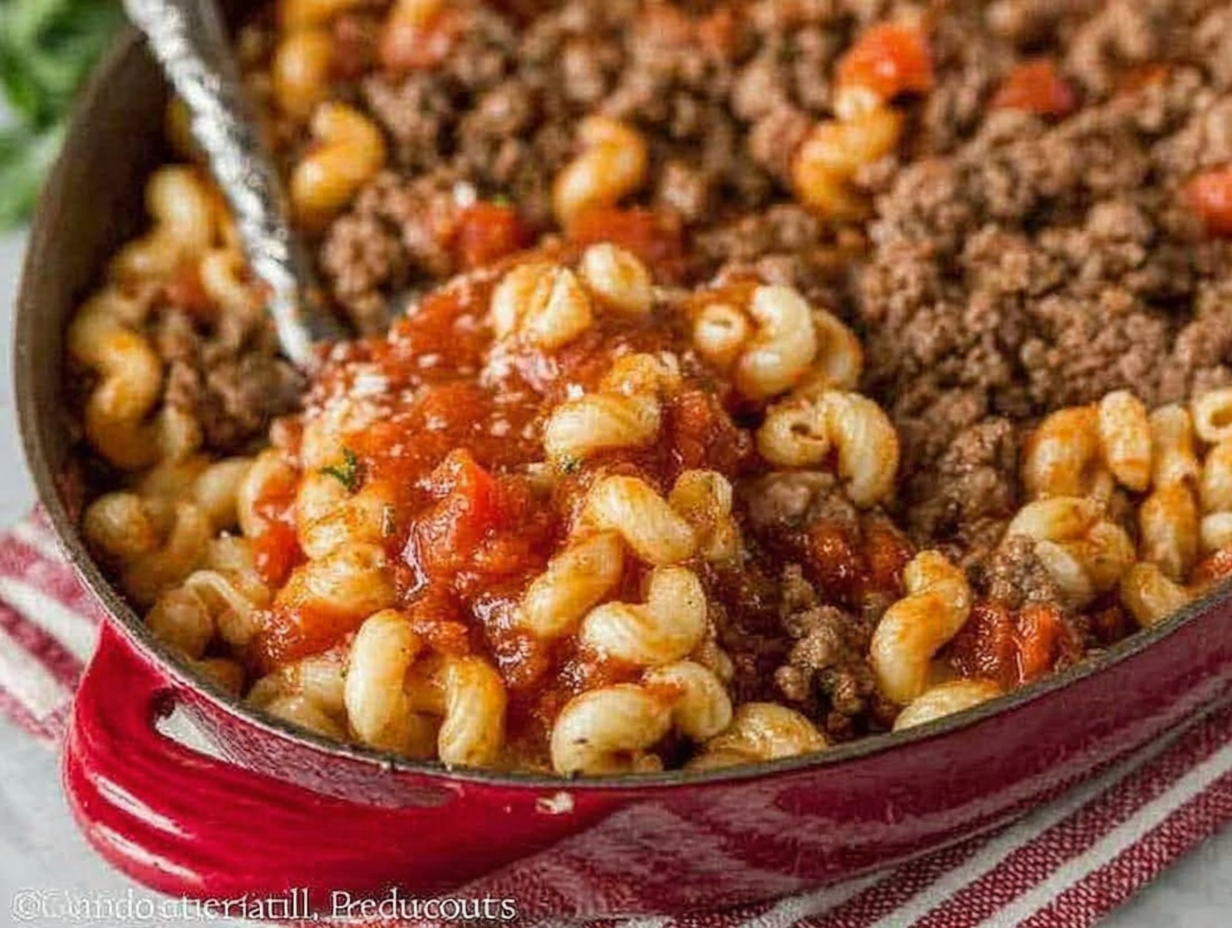
Soups and stews were the undisputed champions of the Depression-era kitchen. A pot of soup could be started in the morning with just a few vegetables and a handful of beans or lentils and left to simmer all day, filling the house with a comforting aroma. By dinnertime, it had transformed into a thick, nourishing meal. The famous “Hoover Stew,” named ironically after President Herbert Hoover, was a simple macaroni and hot dog stew, but countless variations existed based on whatever was available. Potato soup, bean soup, and vegetable stews were incredibly common, often made with just water or a simple broth. These one-pot wonders were the perfect solution for a hearty, low-cost dinner that could easily be stretched to feed unexpected guests or provide leftovers for the next day.
Classic Casseroles and One-Pot Meals
Casseroles were another brilliant way to combine inexpensive ingredients into a complete meal. A classic example is a potato and onion casserole, sometimes with a bit of ground meat or canned fish if available, bound together with a simple white sauce. Another famous dish is Creamed Chipped Beef on Toast, affectionately known as “S.O.S.” This dish of dried, salted beef in a creamy flour-and-milk gravy served over simple toast was a hearty and savory meal that was both cheap and easy to make, becoming a staple in many households and in the military.
What was the most common protein in Depression Era recipes?
While dishes with ground beef or pork existed, the most common proteins were often plant-based or more affordable options. Beans, lentils, and peas were dietary workhorses, providing inexpensive and filling protein for countless soups, stews, and side dishes. When meat was used, it was often cheaper cuts that required long, slow cooking, or it was canned or preserved, like chipped beef or canned tuna, which were used in casseroles and creamed dishes.
Frugal Breads and Surprising Desserts
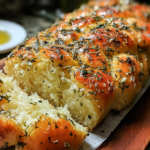
No meal was complete without some form of bread, and Depression-era kitchens were constantly turning out loaves, biscuits, and cornbread. Bread was essential for making meals more filling. Basic, no-frills white bread made with flour, water, yeast, and a little sugar was a common project. For a quicker option, baking powder biscuits were a staple, perfect for sopping up gravy or serving with a bit of butter and jam. In the South, cornbread was king. Made from inexpensive cornmeal, it was a versatile and filling side that could be crumbled into a glass of milk for a simple meal or served alongside a pot of beans for a classic pairing. These breads weren’t fancy, but they were the reliable, carby backbone of the family diet.
It might seem surprising that dessert was still on the menu during such a lean time, but the human desire for a small sweet treat is timeless. The desserts of the era were marvels of ingenuity, often made without expensive ingredients like eggs, butter, or milk. The most famous example is the “Wacky Cake” or “Depression Cake,” a chocolate cake mixed right in the baking pan. It uses vinegar and baking soda for leavening and oil instead of butter, resulting in a surprisingly moist and rich cake. Another fascinating creation was the “Water Pie,” which used a simple flour-and-sugar custard cooked inside a pie crust to create a sweet, translucent filling. These recipes prove that with a little creativity, a delightful dessert is always possible, no matter what’s in the pantry.
Could people really afford to make dessert during the Depression?
Yes, but it required creativity. Desserts were made from the cheapest and most common pantry staples available: flour, sugar, water, oil, and cocoa powder. Fresh fruit was used when in season or when it could be foraged. The key was avoiding expensive, perishable ingredients. A sweet treat was a huge morale booster, a small moment of joy and normalcy in difficult times, so home cooks found clever ways to make it happen without straining their already tight budgets.
Frequently Asked Questions About Depression Era Recipes
What are the key ingredients in Depression Era cooking?
The foundation of Depression-era cooking rests on a short list of affordable, shelf-stable pantry staples. These include potatoes, onions, cabbage, carrots, beans (dried), lentils, flour, cornmeal, sugar, oats, and canned goods like tomatoes, tuna, and evaporated milk. These ingredients were versatile, cheap, and could be stored for long periods, forming the base of countless meals.
Are Depression Era recipes healthy?
They can be. While some dishes are heavy on starches and fats, many recipes are centered around vegetables, legumes, and whole grains. A simple bean soup or a dish of stewed vegetables is incredibly nutritious. The focus on using whole, unprocessed ingredients and cooking from scratch is a very healthy habit. Like any cuisine, it’s all about balance; modern cooks can easily adapt these recipes to reduce salt or fat content while retaining their comforting essence.
Where can I find authentic recipes from this period?
Authentic recipes can often be found in community cookbooks from the 1930s and 40s, which are sometimes available in thrift stores or online archives. Family recipe cards and journals passed down through generations are another wonderful source. There are also many food bloggers and historians who have dedicated themselves to preserving and sharing these historical recipes, offering a great resource for anyone looking to explore this type of cooking.
Conclusion
Revisiting the world of Depression Era recipes is more than just a culinary exercise; it’s a powerful reminder of the resilience, creativity, and love that can be baked into a simple loaf of bread or simmered in a pot of soup. These dishes teach us valuable lessons about making the most of what we have, reducing waste, and finding joy in simple, shared meals. They show us that comfort food isn’t about luxury, but about nourishment for both the body and the spirit. Whether you’re looking to save money on groceries, cook more sustainably, or simply connect with the past, these time-tested recipes have so much to offer. I encourage you to pick one that speaks to you, gather your ingredients, and experience the profound satisfaction that comes from creating something truly wonderful from humble beginnings.
Depression Era Recipes
Ingredients
Method
- Create hearty main dishes by stretching ingredients, such as bulking up meatloaf with inexpensive fillers like breadcrumbs, crackers, or oats.
- Prepare one-pot wonders like soups and stews by simmering available vegetables, beans, or lentils for an extended period to develop thick, nourishing meals.
- Bake frugal breads like no-frills white bread, baking powder biscuits, or cornbread to make meals more filling.
- Invent surprising desserts using cheap pantry staples while avoiding expensive ingredients like eggs, butter, or milk, such as a ‘Wacky Cake’ which uses oil, vinegar, and baking soda.